Professional Steam Cleaners: Types and Key Features
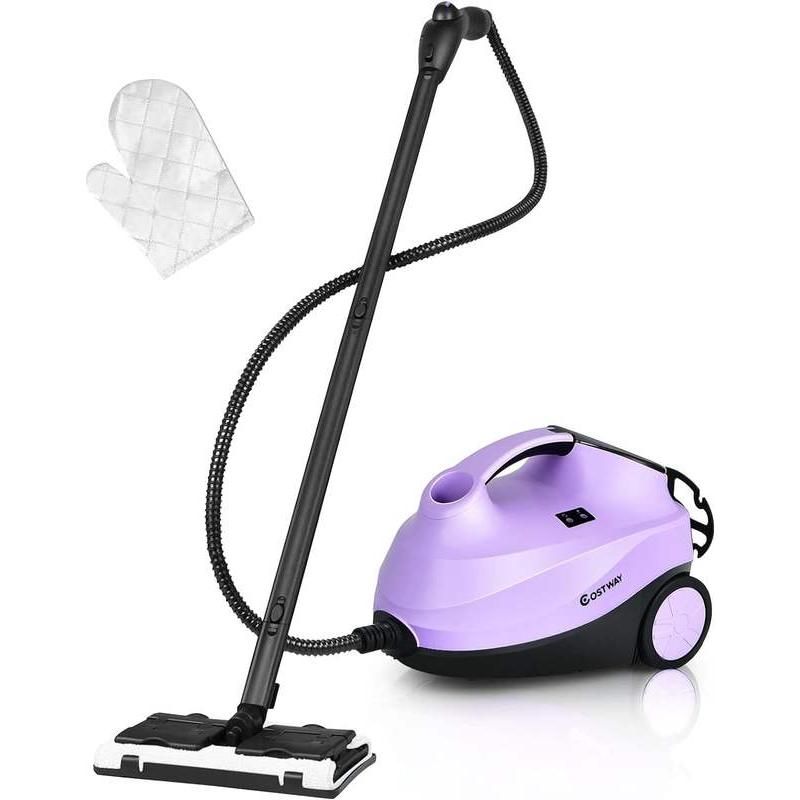
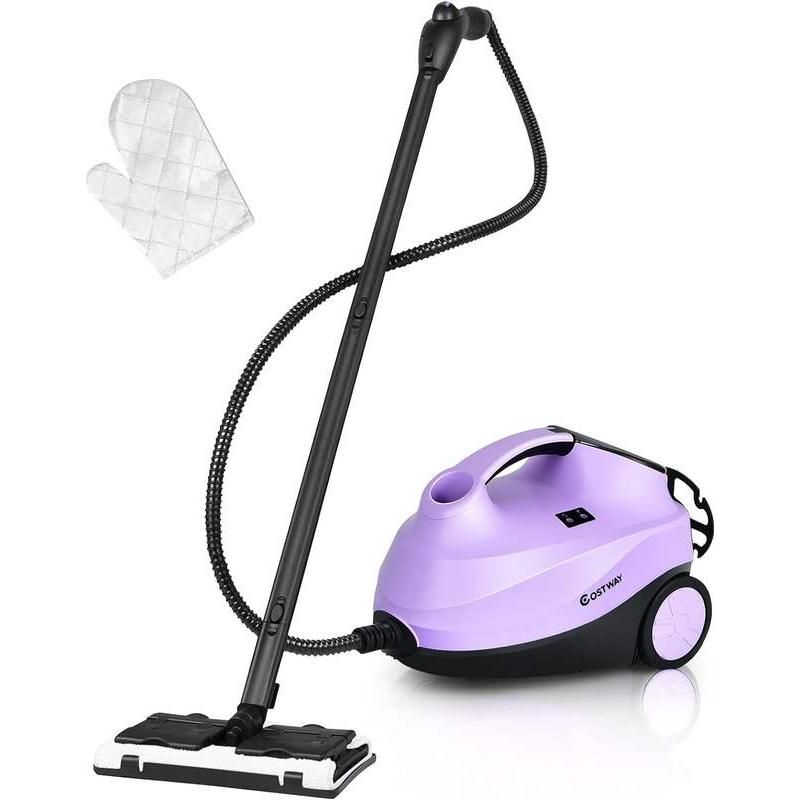
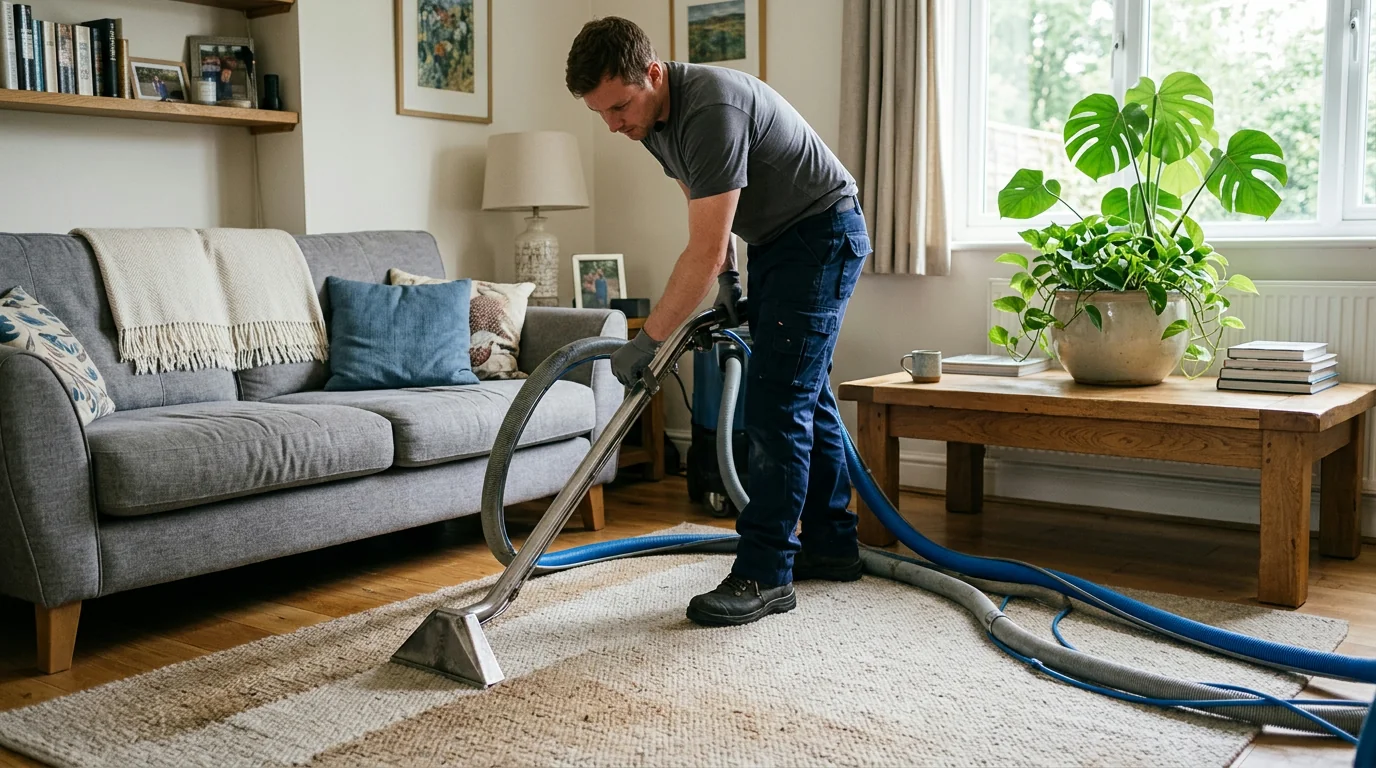
Professionals typically use a commercial-grade canister steam cleaner with a boiler, adjustable steam output, and attachments for different surfaces. For longer jobs, they may choose a model that allows continuous refilling so they can add water without waiting for the boiler to cool. The right machine depends on the work: grout, upholstery, and vehicle interiors call for different tools and steam settings.
Look for a pressure gauge, adjustable output, a hose that reaches the work area comfortably, and attachments you can replace when they wear out. A detail nozzle concentrates steam along grout lines and fixtures, while a wider brush or cloth-covered tool spreads it across larger surfaces. Before buying, compare the machine’s runtime and refill method with the length of your typical cleaning job.
Featured in this guide
Heavy Duty Multipurpose Steam Cleaner
Professionals match the attachment to the material rather than using maximum steam everywhere. A nylon brush can help lift grime from durable tile and grout, while a cloth-covered upholstery tool helps distribute steam and collect loosened soil. Test a hidden spot first, especially on fabric, finished wood, or surfaces with adhesive.
A heavy-duty canister can be useful if you regularly clean multiple rooms, tile, sealed hard surfaces, or equipment with tight crevices. If you mainly need to refresh a small floor, a simpler steam mop may be easier to store and maneuver. Our guide to heavy-duty multipurpose steam cleaners and safe uses can help you decide where that extra capacity is worthwhile.
Steam loosens soil, but it does not remove every residue by itself; keep clean microfiber cloths nearby to wipe up what the steam releases. Follow the surface manufacturer’s care instructions, avoid directing steam at outlets or electronics, and let attachments cool before changing them. Our team also recommends starting with a lower output and increasing it only when the material tolerates it.
Detailers often use a canister steam cleaner with adjustable output and small nozzles for seams, vents, and other tight spaces. They use suitable brushes or cloth-covered tools for upholstery and avoid saturating sensitive materials.
Do not steam-clean electronics, electrical outlets, or materials whose care instructions prohibit heat or moisture. Use particular caution with unsealed wood, delicate finishes, and adhesives, which steam can damage.
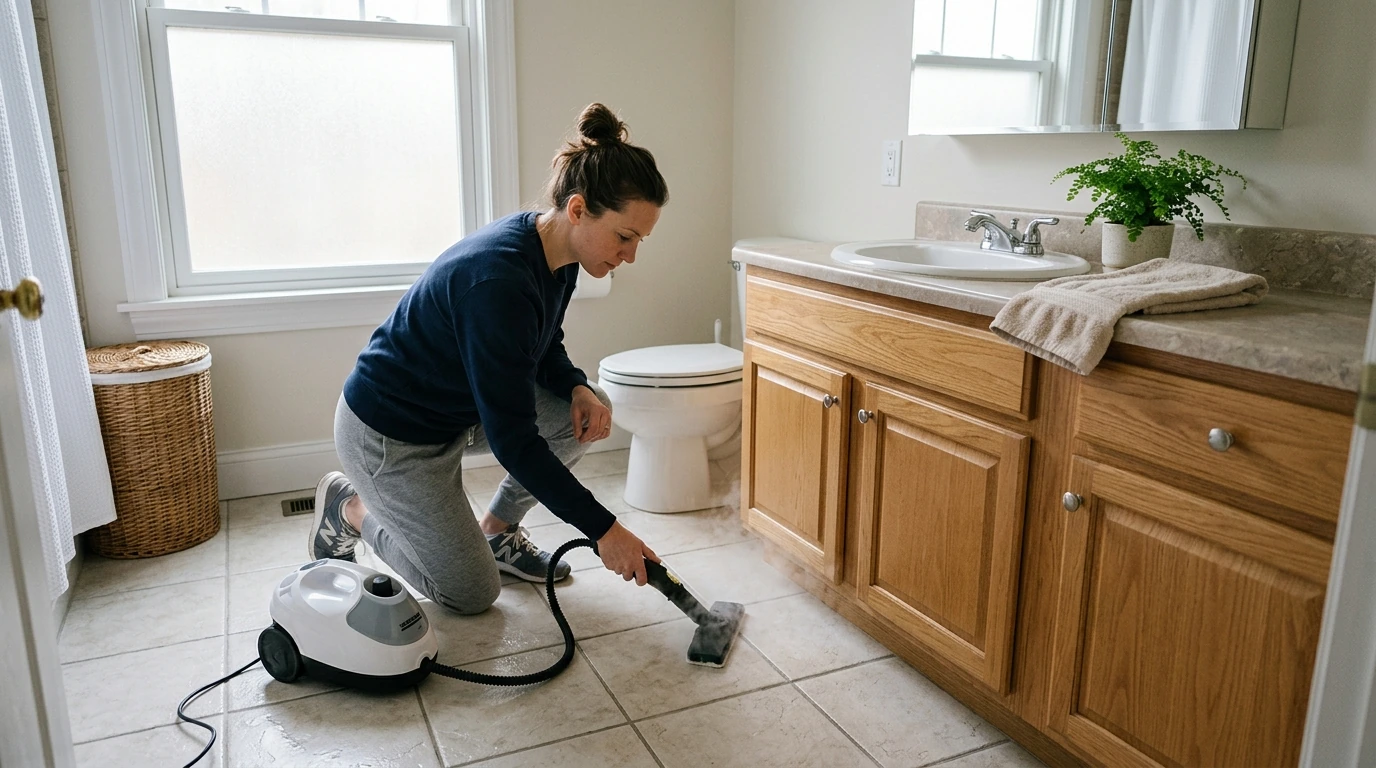
Some professional house cleaners use them for appropriate jobs, such as tile, grout, and certain fixtures. They do not use steam on every surface; material compatibility and the client’s care instructions come first.
Recommendations vary by budget and task, with discussions often distinguishing steam mops from more versatile canister cleaners. Use those experiences to identify practical concerns, such as hose reach and refill time, then compare models against your own cleaning needs.


Leave a comment