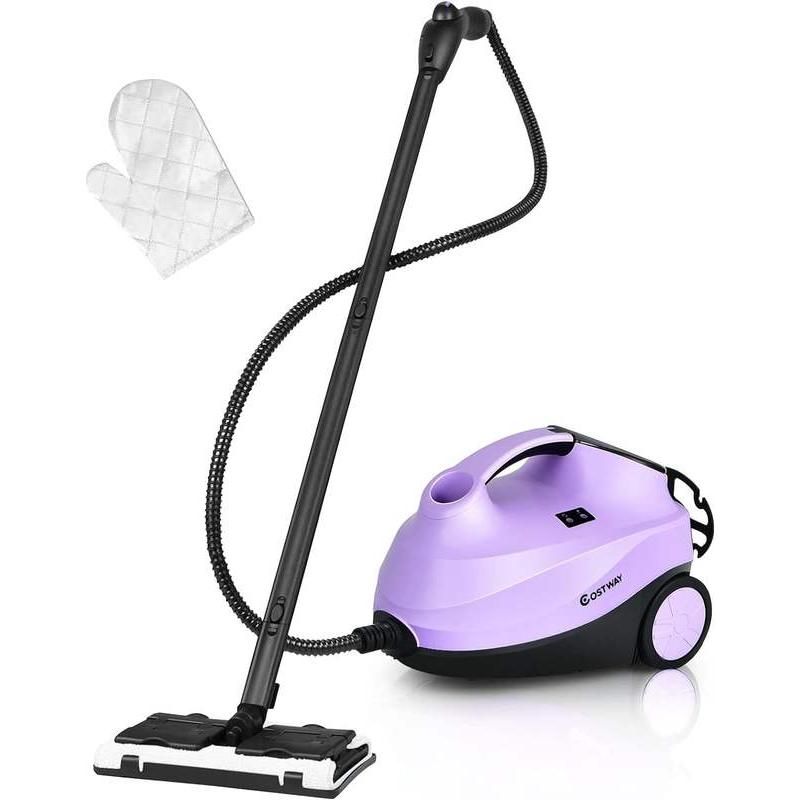
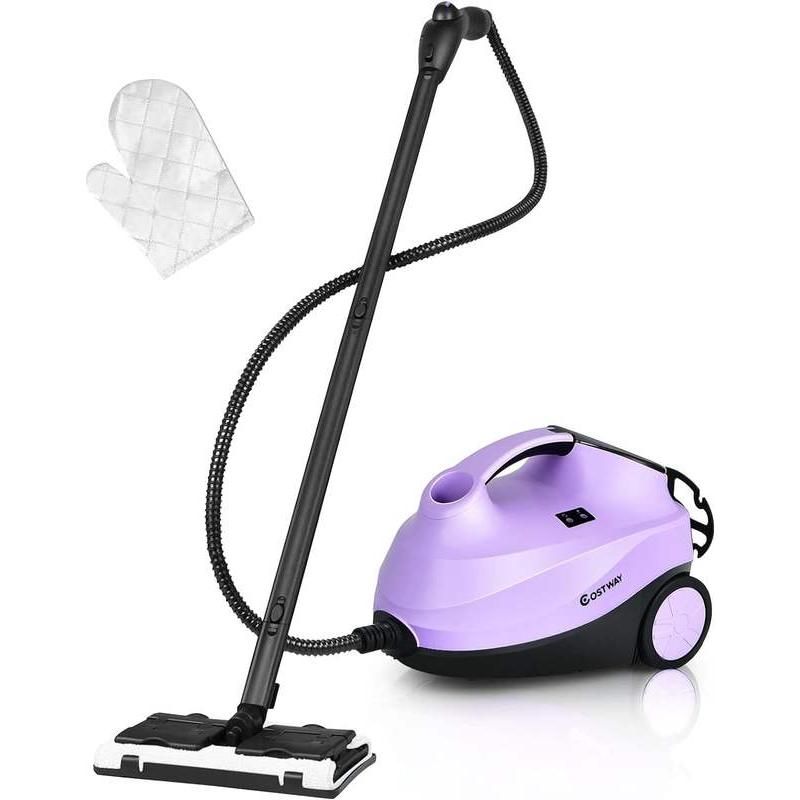
Heavy Duty Multipurpose Steam Cleaner: Safe Uses
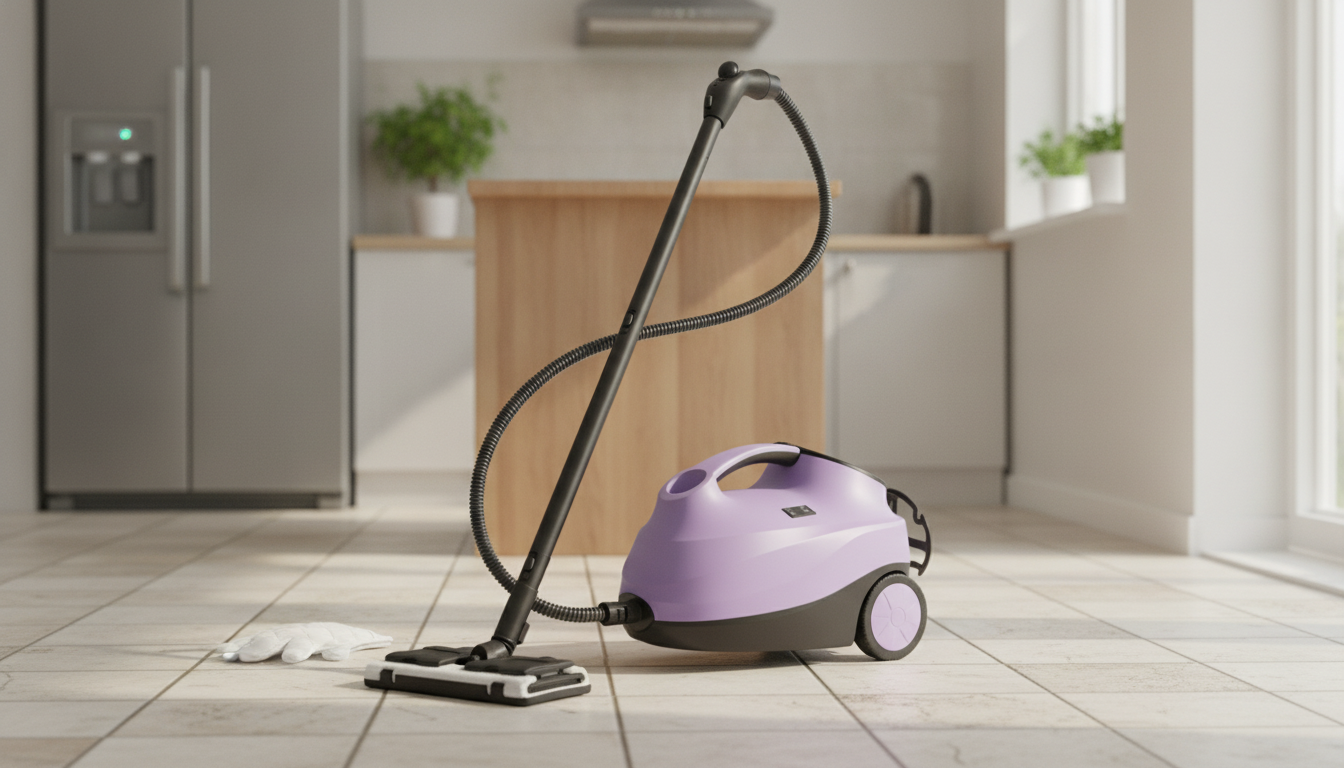
Steam can soften stuck-on dirt on compatible, heat-tolerant surfaces. Sealed ceramic or porcelain tile and sound grout are common candidates, provided their manufacturers permit steam cleaning. A suitable attachment can help direct steam along grout lines or into corners that are difficult to reach with a cloth.
Steam loosens grime; it does not make that grime disappear. After working on a small section, wipe away the residue with a clean cloth. Replace or rinse the cloth as it becomes dirty so you do not spread soil onto the area you just cleaned. For stubborn buildup, repeat the process only if the surface instructions allow it rather than holding the nozzle in one place.
Check two sets of directions before starting: the care guidance for the material you plan to clean and the operating instructions for the steam cleaner. An attachment being included with a machine would not, by itself, establish that it is safe for a particular finish.
Floors, countertops, upholstery, and fixtures do not all tolerate heat and moisture in the same way—even when they appear durable or have a protective finish. Avoid steaming unsealed wood, electronics, electrical outlets, delicate finishes, and heat-sensitive plastics. Painted surfaces, natural stone, laminate, finished wood flooring, and fabrics require material-specific guidance rather than a blanket yes or no.
If the surface manufacturer permits steam cleaning, test an inconspicuous spot first and let it dry before assessing the result. Do not treat a successful spot test as permission to disregard limits on heat, exposure time, or attachments.
Steam-cleaning suitability at a glance
| Surface | Starting guidance | What to confirm |
|---|---|---|
| Sealed ceramic or porcelain tile | Often a practical candidate | Check sealants, grout condition, and manufacturer guidance. |
| Unsealed wood | Avoid steam | Moisture and heat can damage the material. |
| Laminate or finished wood flooring | Do not assume it is suitable | Follow the flooring manufacturer’s care instructions. |
| Upholstery or fabric | Use only if expressly permitted | Confirm fabric care guidance and a compatible attachment. |
| Electronics and outlets | Do not steam | Keep moisture away from electrical components. |
Featured in this guide
Heavy Duty Multipurpose Steam Cleaner
A durable appearance does not establish steam compatibility. For painted surfaces, natural stone, laminate, finished wood flooring, and fabrics, seek material-specific guidance rather than assuming they are suitable.
If the manufacturer permits steam, test an inconspicuous area and let it dry before assessing the result. A successful spot test does not override limits on heat, exposure time, or attachments.
The supplied listing does not specify tank capacity, heat-up time, steam pressure, cord length, included attachments, or warranty coverage. Do not infer those details from the product name or image. Consult the manual or ask the seller about supported surfaces, operating time, replacement parts, and what comes in the box. Attachment options matter when they suit jobs you can perform safely.
If you are browsing other departments, keep unrelated products separate from your cleaning-equipment comparison: the colorful striped flap handbag with metal chain is a fashion item, not a steam-cleaner accessory.
There is no cleaner that is appropriate for every material. Choose a product or method that the surface manufacturer allows, and check whether the job calls for removing dirt, disinfecting, or both.
Do not use a chemical all-purpose cleaner on surfaces its label excludes, or where the surface manufacturer advises against it. Check both sets of directions, particularly for delicate finishes, natural stone, and electronics; a liquid all-purpose cleaner is not the same as a steam cleaner.
Professionals typically use commercial-grade vapor steam cleaners with durable boilers, high operating pressure, and continuous-refill capability. These machines deliver consistent dry steam for cleaning tile, grout, sealed floors, kitchens, bathrooms, upholstery, and vehicle interiors.
For most buyers, the most powerful readily available steam cleaners are commercial or industrial machines producing approximately 8 to 20 bar of pressure. Heavy-duty models from brands such as Fortador, Kärcher Professional, and Dupray outperform typical household units, which usually operate at about 3 to 5 bar.


Leave a comment