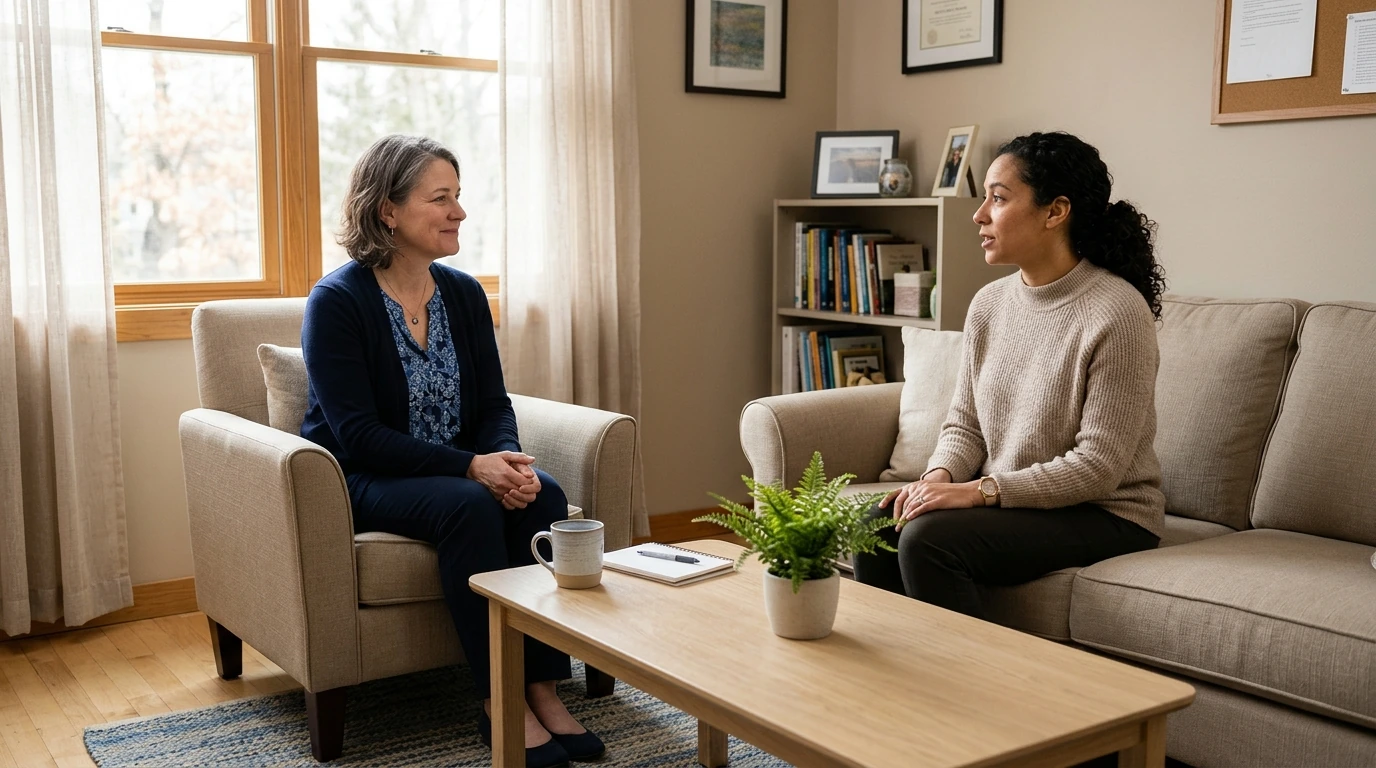
Check the product’s listed specifications when evaluating start with a calm conversation.
Make a Practical Safety Plan
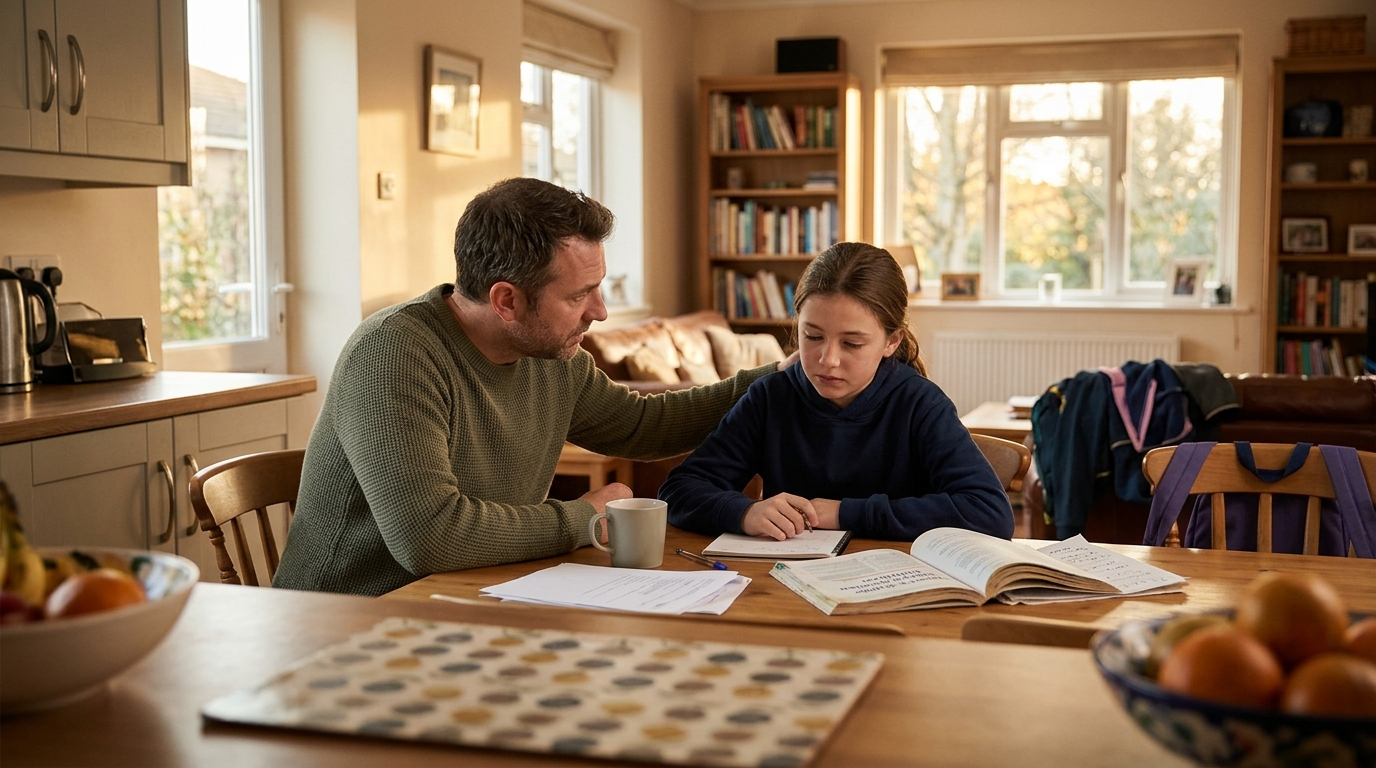
Help your child identify trusted adults they can turn to at school, during activities, or online, and discuss where they can go if an encounter feels unsafe. Keep a record of incidents, including dates, locations, messages, and witnesses when available, so you can give the school or another responsible organization clear information when you ask for help.
Check the product’s listed specifications when evaluating make a practical safety plan.
Featured in this guide
A Parent’s Guide to Preventing Bullying | Practical eBook for Parents on how to prevent bullying, Build Confidence & Stop Bullying Before It Starts
Contact your child’s teacher, counselor, or school administrator to explain your concerns, share what you know, and ask how they will address the behavior while protecting your child. Agree on a way to follow up, and continue checking in with your child rather than assuming that one conversation has resolved the situation.
Build Confidence Without Placing Blame
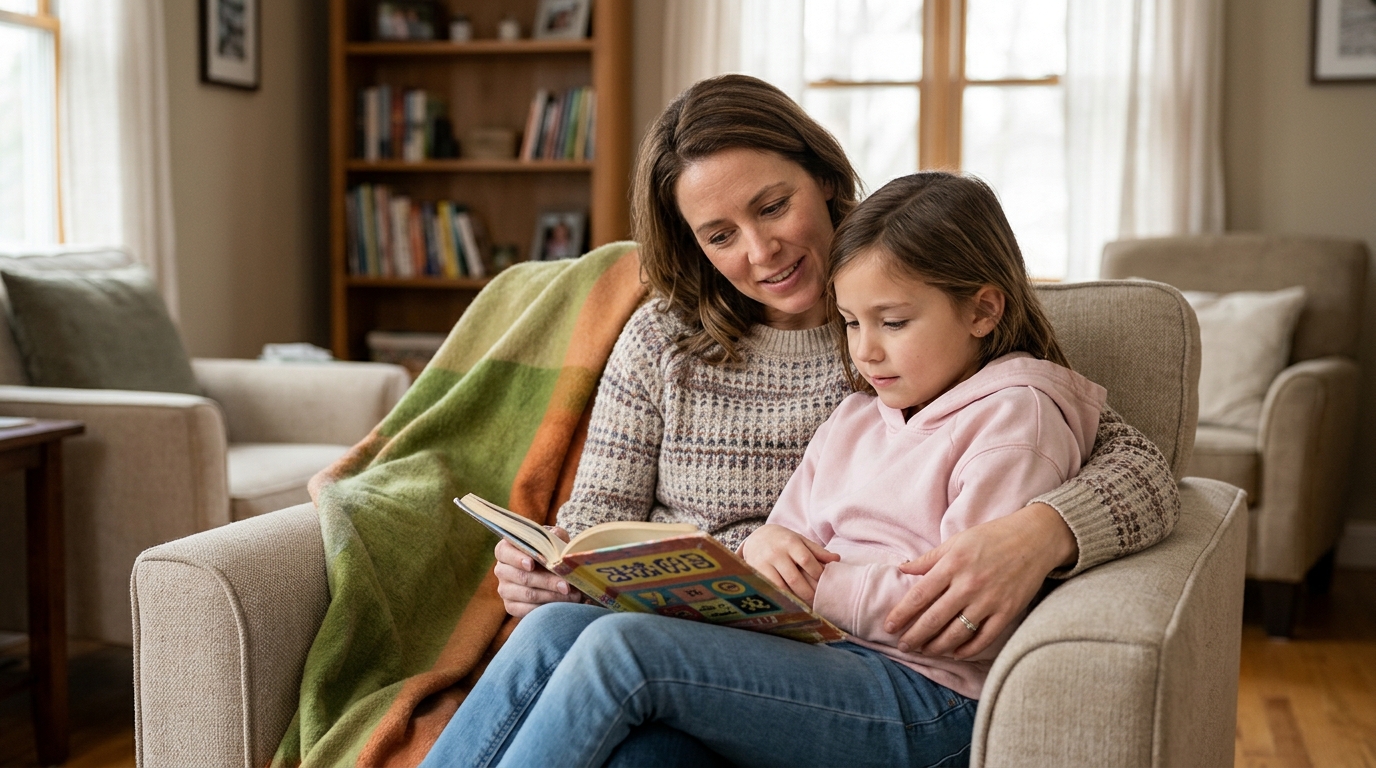
Give your child opportunities to practice asking for help, walking away when it is safe to do so, and spending time with supportive friends or adults; remind them that stopping bullying is an adult responsibility, not a test they must pass alone. For more ideas, read our guide to preventing bullying and building confidence, and explore our product, A Parent’s Guide to Preventing Bullying, a practical eBook for parents.
FAQ
How to approach a parent about their child’s bullying?
Choose a calm, private conversation and describe the specific behavior and its impact without labeling or attacking their child. If the situation involves school or another organization, consider asking a staff member to help facilitate the discussion and agree on next steps.
See if A Parent’s Guide to Preventing Bullying | Practical eBook for Parents on how to prevent bullying, Build Confidence & Stop Bullying Before It Starts fits your setup







Leave a comment