How Parents Can Help Prevent Bullying: Practical Steps
Nathan Brown · 6 min
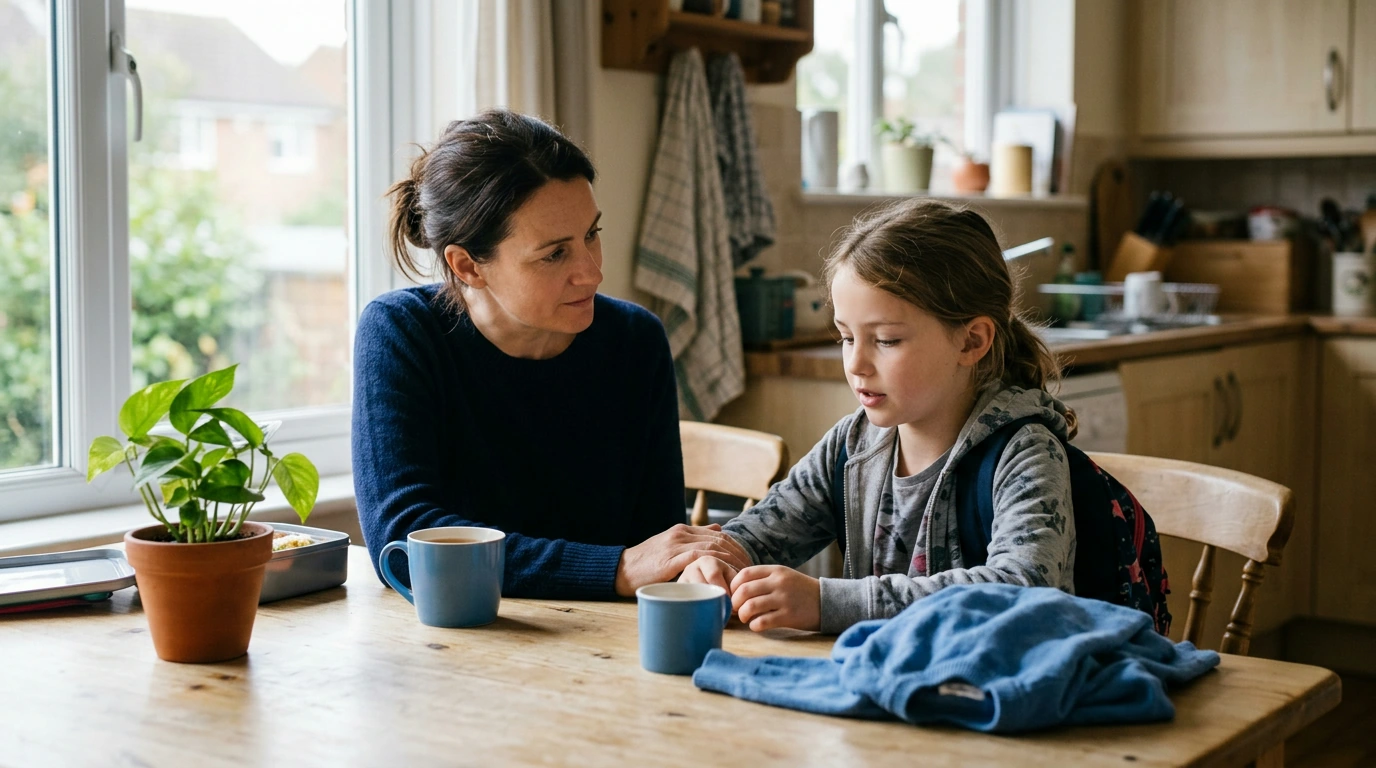
Keep conversations open
Ask about friendships, group chats, recess, and other everyday interactions rather than waiting for your child to use the word “bullying”; questions like “Who did you spend time with today?” can feel easier to answer. Listen without immediately blaming or trying to solve everything, so your child knows they can tell you about an unkind comment, exclusion, or a mistake they made themselves.
Teach respect and practice responses
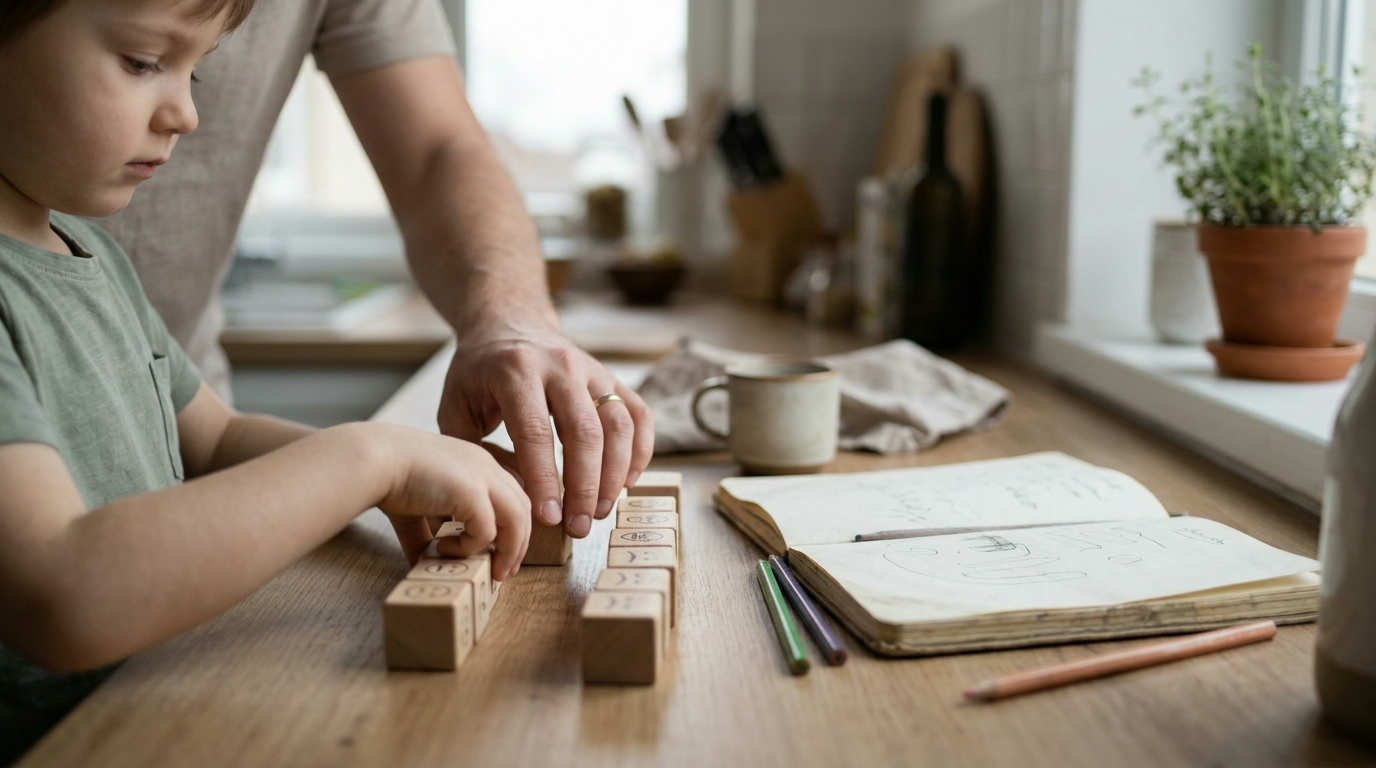
Talk about the difference between a disagreement and repeated behavior meant to hurt or isolate someone, and make clear that teasing, threats, and sharing embarrassing content are not acceptable—even when friends call them jokes. Practice short responses your child can use, such as “Stop,” walking toward a trusted adult, or inviting an excluded classmate to join an activity; role-playing can make those choices easier to remember under pressure.
Featured in this guide
A Parent’s Guide to Preventing Bullying | Practical eBook for Parents on how to prevent bullying, Build Confidence & Stop Bullying Before It Starts
Check the product’s listed specifications when evaluating watch for changes and act together.
Build confidence without putting the burden on your child
Help your child maintain friendships and interests where they feel welcome, and praise choices such as asking for help or standing up for someone safely rather than expecting them to handle intimidation alone. Our A Parent’s Guide to Preventing Bullying is a practical eBook for parents focused on preventing bullying and building confidence; use it alongside ongoing conversations that reflect your child’s age and situation.
FAQ
What are some ways parents can prevent bullying in their children?
Model respectful behavior, set clear expectations for in-person and online interactions, and talk regularly about how your child and their peers are treating one another. Give your child safe ways to get adult help, and take reports of harmful behavior seriously whether your child was targeted, witnessed it, or took part.
What advice can parents get about bullying?
Start by listening calmly and gathering specific details instead of urging your child to retaliate or ignore repeated harm. If bullying is happening at school or in an organized activity, contact the responsible adults, agree on steps to protect your child, and follow up to see whether the situation improves.
See if A Parent’s Guide to Preventing Bullying | Practical eBook for Parents on how to prevent bullying, Build Confidence & Stop Bullying Before It Starts fits your setup







Leave a comment