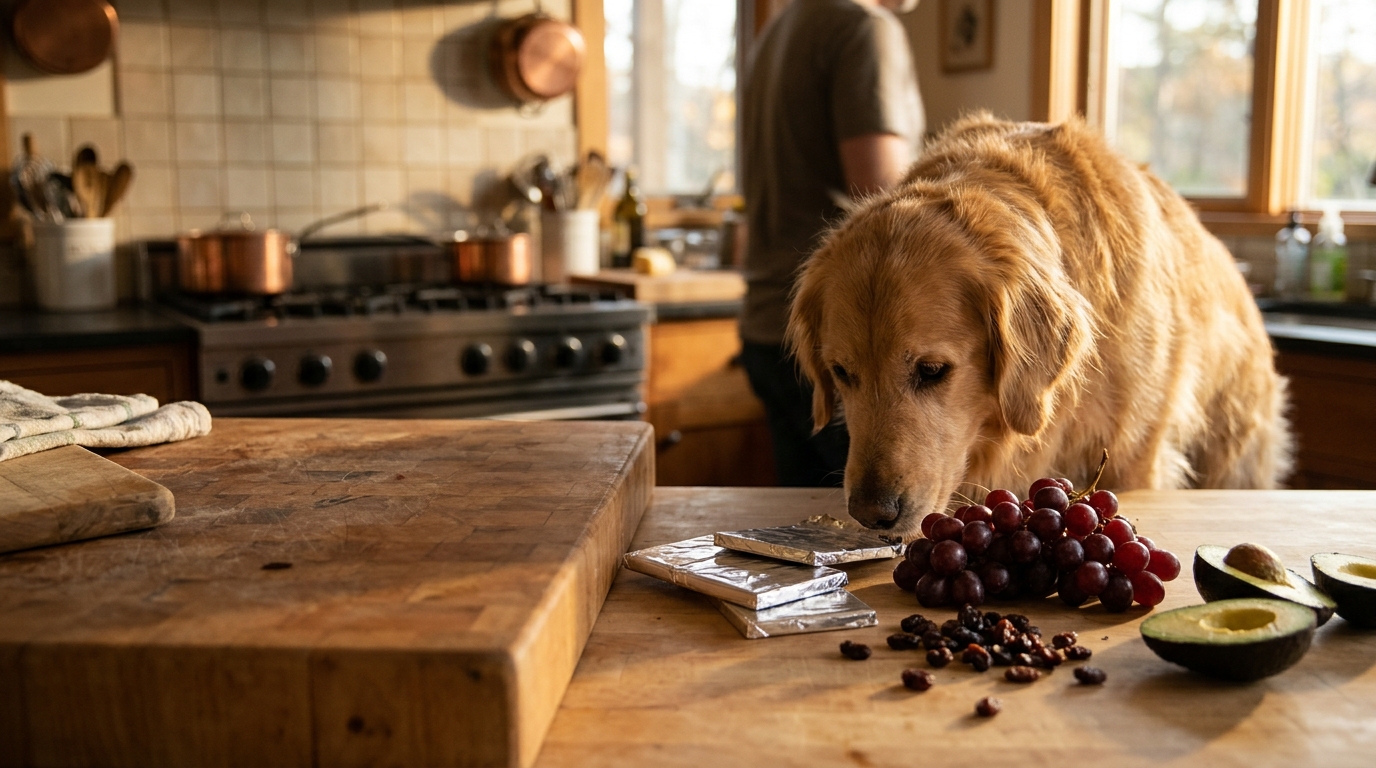
Xylitol, a sweetener found in some sugar-free gum, candy, baked goods, and peanut butters, can cause a rapid, dangerous drop in blood sugar and may cause liver failure. Grapes and raisins can cause acute kidney injury, and even a small amount can be dangerous, making immediate veterinary advice essential.
Check the product’s listed specifications when evaluating foods that are extremely toxic to dogs.
Other Foods to Keep Out of Reach
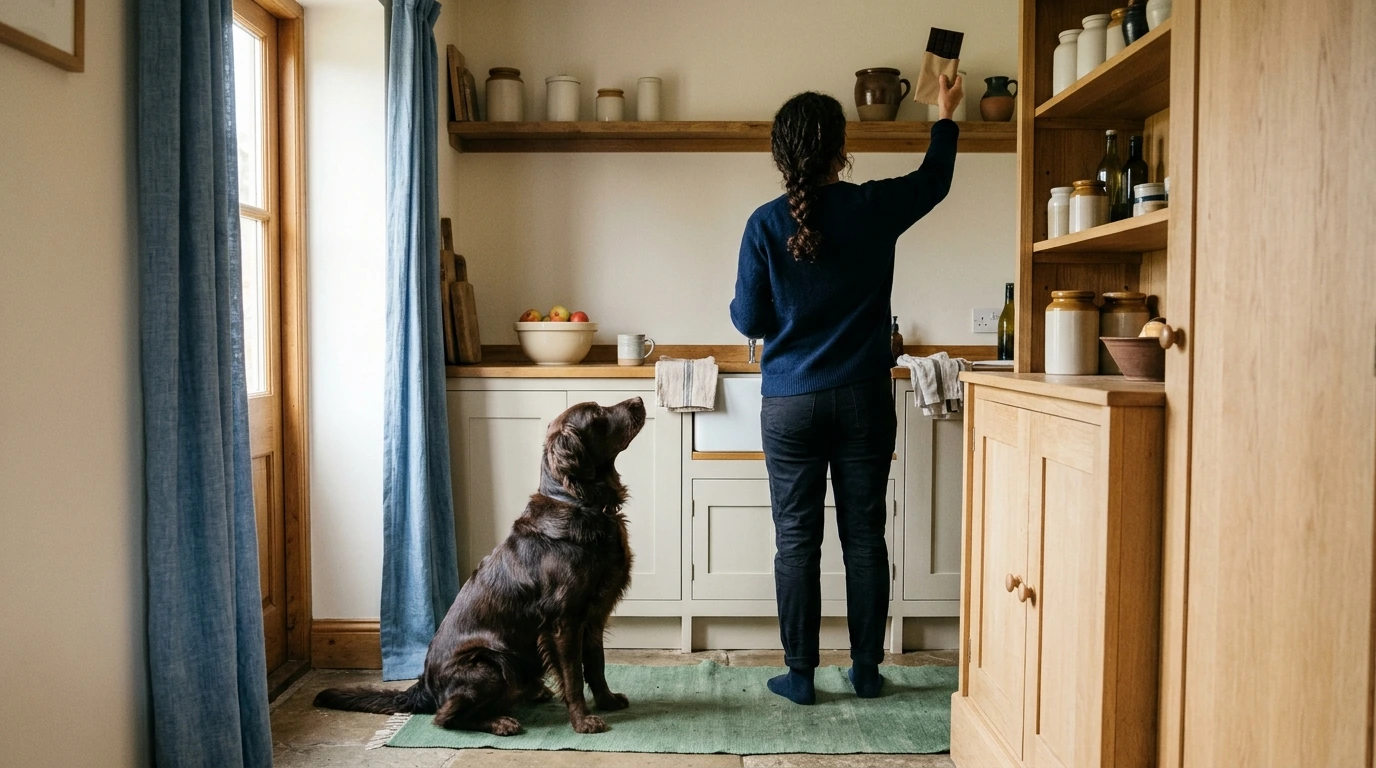
Chocolate contains theobromine and caffeine, with dark chocolate and baking chocolate generally posing a greater risk than milk chocolate because they contain more of these substances. Onions, garlic, leeks, and chives can damage a dog’s red blood cells whether they are raw, cooked, dried, or incorporated into a meal.
Alcohol and raw yeast dough are also dangerous: alcohol can depress the nervous system, while rising dough can expand in the stomach and produce alcohol. Macadamia nuts can cause weakness, vomiting, and other signs of illness, so keep them and foods containing them away from your dog.
Check the product’s listed specifications when evaluating other foods to keep out of reach.
Featured in this guide
Navigating Human Food for Your Pup – Practical Dog Feeding eBook Answering “can I feed my dog human food” | Safe Foods, Toxic Foods & Easy Meal Planning Guide
Call your veterinarian, an emergency veterinary clinic, or an animal poison control service immediately, even if your dog seems normal; some effects may be delayed, and early treatment can matter. Be ready to share your dog’s weight, the food and ingredients involved, the approximate amount eaten, and when the exposure happened.
Keep the package or ingredient list for the veterinary team, and move any remaining food out of your dog’s reach. Do not induce vomiting or give home remedies unless a veterinary professional specifically instructs you to do so, because the safest response depends on what your dog swallowed and their condition.
Check the product’s listed specifications when evaluating what to do if your dog eats a toxic food.
Plan Safer Sharing
Read ingredient labels before offering any human food, especially spreads, sweets, baked goods, and leftovers that may contain xylitol, raisins, onion, or garlic. For more guidance on choosing and serving human foods, read our guide to safe food sharing with dogs.
Our team also offers Navigating Human Food for Your Pup , an eBook covering safe foods, toxic foods, and meal planning. When you are unsure whether a particular food suits your dog, ask your veterinarian before sharing it.
FAQ
What is the most poisonous food a dog can eat?
There is no single answer for every exposure, but xylitol-containing foods and products are among the most concerning because they can cause a rapid drop in blood sugar and liver failure. Grapes and raisins are also urgent concerns because they can cause kidney injury, even after a small amount.
What is the most lethal poison for dogs?
No single poison is always the most lethal; the danger depends on the substance, the amount, and the dog. If you suspect poisoning from food, medication, chemicals, or another substance, contact a veterinarian or animal poison control service immediately.
See if Navigating Human Food for Your Pup – Practical Dog Feeding eBook Answering “can I feed my dog human food” | Safe Foods, Toxic Foods & Easy Meal Planning Guide fits your setup









Leave a comment